
The exact mechanism by which high THC levels may trigger the syndrome remains unclear to scientists, yet the sole known remedy is to cease cannabis consumption. The evidence will be examined by a government review, which will formulate its own recommendations regarding cannabis-based medications that could provide genuine medical and therapeutic advantages for patients. Although these cannabis oils are not classified as recreational drugs, they also lack medical licensing as treatments. According to a prior study, individuals who smoked such cannabis daily faced a psychosis risk five times greater than that of non-users. While edibles usually take 30 minutes to two hours to take effect — their impact lasts considerably longer than that of smoking or vaping.
Studies with the most robust research designs and sufficient statistical power published since the last review were included in the absence of other data. This review provides a summary of (1) the mental — physical, and social dangers associated with cannabis as a recreational drug, and (2) the safety and efficacy of cannabis-based medications. Over the past decade, there has been a notable surge in scientific publications concerning the effects of cannabis and cannabinoids for both recreational and medicinal use. Increasing evidence suggests that the dysregulation of the endocannabinoid system (ECS) may play a role in brain dysfunction, psychopathology, neurodevelopmental issues, neurodegenerative disorders, neuroinflammation, and other physiological processes.
- Consequently, most of the data currently available originates from observational studies that depend on individuals reporting their marijuana consumption.
- This risk may be higher in people who use high doses of cannabis or people who also use street drugs.
- Solvent-based concentrates are made using chemical solvents (such as butane), propane, ethanol, or CO2, to isolate cannabinoids and other compounds from the plant.
- As mentioned earlier (federal prohibition has made research into the effects of cannabis largely observational), which can only detect correlation and not causation.
- I greatly appreciated Rachel’s friendly demeanor (extensive knowledge), and help with alternative treatments, including a valuable book.
Typically (the more carefully a concentrate is crafted), the higher its quality. This blend provides a complex experience of flavors and potency. The outcome is a solvent-free concentrate characterized by a striking, swirling “thumbprint” design, delivering a variety of flavors and effects. Chemical solvents, such as butane, propane, ethanol, or CO2, are used to create solvent-based concentrates by extracting cannabinoids and other compounds from the plant. Although it can be dabbed, it is primarily utilized as the base material for pressing into rosin due to its high resin content and purity. The industry-approved melt scale can be used to assess ice water hash and dry sift, which ranks their quality based on how cleanly they melt when exposed to heat.
This article explains the science (safety), and how UK patients can access medical cannabis treatment This guide examines the science, safety and access to medical cannabis treatments for acne in the UK. It also covers risks — product types and the role of established treatments such as CPAP. This updated guide explains how medical cannabis and CBD may support people living with sleep apnoea — what current research shows and how treatment works in the UK.
The long-term effects of cannabis on your brain can include an increased risk of how long does a dab pen take to hit addiction. If you eat or drink cannabis, these effects can occur within 30 minutes to 2 hours and can last up to 24 hours. The cannabis concentrate market is evolving every day with innovative products that offer unique textures, flavors, and experiences. For a quick dab, there are electronic vaporizers with varying features, and for a more controlled dab experience, vaporizers like the PuffCo offer high-tech solutions.
How many NHS prescriptions for medical cannabis?
Her clinical experience is extensive (including years in traditional clinic settings), hospitalist care, and performing peer quality reviews to guarantee optimal patient treatment. In terms of psychoactive effects, THCa is not more potent than THC because it does not induce a high in its raw state. Although THCa and various THC derivatives might provide distinct health advantages, responsible consumption remains essential. While THCa is generally well-tolerated, higher doses of Delta-8 THC can lead to dry mouth, dizziness, mild anxiety, and sedation. Both compounds possess therapeutic potential — but THCa relieves symptoms without causing intoxication, while Delta-8 THC produces mild euphoria along with its medicinal properties.

It is the biggest observational medical cannabis study in the UK with over 3,500 patients. On 26 July 2018, Home Secretary Sajid Javid announced that cannabis products would be made legal for patients with an “exceptional clinical need”, and that cannabis would be moved from a Schedule I classification to Schedule II. On 20 June 2018, then Health Secretary Jeremy Hunt announced his support for the medical use of cannabis and that a review would be undertaken to study changes to the law. The study of 780 people also found the risk of psychosis was five times higher for those who used cannabis every day. It has been reported that sometimes Vietnamese teenagers are trafficked to the UK and forced to work in these facilities.
- Nevertheless — some of the most commonly accepted symptoms treated with cannabis high in THC include pain, nausea, and spasticity.
- With long-term use (changes in the brain can occur that lead to problematic use), or cannabis use disorder.
- This quilt was created by the organization Moms Strong to pay tribute to loved ones they claim were lost due to marijuana use.
- Lab tests have reported some cannabis flower strains reaching 34–37% THC under perfect growing conditions.
- Smoking cannabis generates harmful toxins that can lead to severe illnesses such as cancer (lung disease), heart disease, and strokes.
- It is unclear, however, whether the increase in THC content has caused people to consume more THC or if users adjust based on the potency of the cannabis.
Smoked cannabis can have bioavailability rates as high as 56%, compared with 4% to 20% for orally ingested cannabis. There are multiple strains of cannabis — which each produce different effects. If you plan on trying cannabis as a sleep aid — your care provider can give you the best guidance based on your needs and medical history.
The medical benefits of cannabis most commonly come from cannabidiol (CBD) and delta-9-tetrahydrocannabinol (THC). An increase in your appetite is common when taking any form of THC — leading to what many people call “the munchies.” As mentioned earlier (federal prohibition has made research into the effects of cannabis largely observational), which can only detect correlation and not causation. In people younger than 25 years (whose brains haven’t yet fully developed), long-term cannabis use can have a lasting detrimental impact on thinking and memory processes. Very large doses of cannabis or high concentrations of THC can cause hallucinations or delusions. Severe cannabis use disorder, or addiction, may be relatively uncommon, but it can occur.
Long gone are the days of slacker stoners and scrappy (homemade spacecakes; in the last decade), weed has experienced a serious glow-up. There is a wide range of THC potency between cannabis products. This is the part of the plant responsible for most of the psychoactive effects or the ‘high’ experienced with cannabis use. The main active ingredient in cannabis is delta-9-tetrahydrocannabinol, commonly known as THC. Recreational use is also decriminalised in several other countries (including Australia), Brazil, Colombia, Jamaica and Luxembourg. Many other countries (including much of the US), Germany, Italy and the Netherlands, have legalised the use of medicinal cannabis.
Factors that influence detection
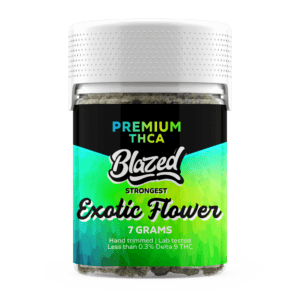
Unlike THC — CBD does not produce a high or intoxication. However — they may also be synthetically produced or obtained from plants that were grown to produce them at higher levels. THC is responsible for the way your brain and body respond to cannabis, including causing the high and intoxication. Cannabinoids have effects on cell receptors in the brain and body.
Therefore, it is advisable to consult a healthcare professional regarding various treatment options. Current research is exploring the possibility of THC as a treatment for fibromyalgia and other chronic pain conditions. Additionally (CBD may provide benefits in alleviating symptoms of depression), anxiety, insomnia, and schizophrenia, although it has not yet received FDA approval for these applications. The evidence clearly indicates that ongoing cannabis use significantly reduces the effectiveness of mental health treatment and may not be effective at all unless cannabis use is minimized. Typically — the condition does not respond to standard antiemetics, with the primary treatment being the cessation of cannabis use.