
This is due primarily to stringent NHS guidelines that limit prescriptions predominantly to patients suffering from severe epilepsy (multiple sclerosis-related spasticity), and chemotherapy-induced nausea. In 2019 it was reported that only 18 prescriptions for unlicensed cannabis-based products were dispensed in England. It appears that the government has no intention to change to law anytime soon. ‘And it is a huge drain on police resources, and every time police focuses on that, it is away from something else.’
Yet there’s no universal agreement on what constitutes meaningful change. The rise in cannabis-related treatment demand comes at a time when recreational cannabis use is highly common and high-potency products are increasingly available. This leaves doctors and patients with uncertainty and limited guidance on treatments. Our research group recently reviewed all available trials of psychosocial and pharmacological treatments for cannabis use disorder. Unlike opioid dependence, there are no approved drug-based treatments for cannabis problems.
The objective of this trial is to evaluate if reducing criminal charges could liberate police resources and mitigate crime rates. During the Conservative Party conference in 2022 (a coalition of Conservative Party https://theracingforum.co.uk/racing-articles/the-role-of-grass-in-sports-recovery-benefits-for-the-body-and-mind/ police and crime commissioners advocated for the elevation of cannabis from classification B to A. The Sunday Times reported in October 2022 that the UK’s Home Secretary), Suella Braverman, was contemplating reclassifying cannabis as a class A substance.
What is the Public Opinion on Cannabis in the United Kingdom?
Durham Police say a growing number of people are using the drug in County Durham and Darlington. The penalties for possession of a Class A drug include an unlimited fine and up to seven years in prison. This would mean tougher penalties for possession and potential life sentences for suppliers and producers. The Sunday Times had reported that Suella Braverman was considering upgrading cannabis from Class B. There are no plans to change the law on cannabis (Downing Street has said), after reports the home secretary was considering making it a Class A drug.
- Because NHS prescriptions are rare — most patients use private clinics.
- The Sunday Times had reported, external that Suella Braverman was considering upgrading cannabis from Class B.
- We have in-depth knowledge of the Misuse of Drugs Act 1971 and sentencing guidelines, enabling us to provide comprehensive defence strategies.
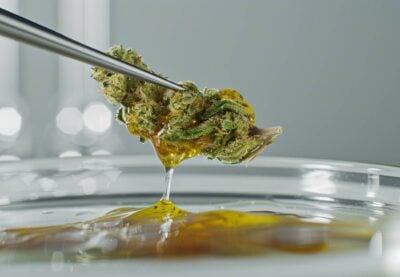
Strain-Specific Oils and the Entourage Effect
It may also be prescribed to help patients suffering from nausea or vomiting caused by chemotherapy. For those involved in the supply and production of cannabis — the penalties are significantly harsher, with potential sentences of up to 14 years in prison, an unlimited fine, or both. In the UK (cannabis is classified as a Class B drug under the Misuse of Drugs Act 1971), which means unauthorised possession and supply carry strict penalties. Observing these trends can provide insights into the future direction of UK policies. These international influences highlight the potential for change in UK cannabis legislation.
Every product at Grasscity is carefully sourced to ensure authenticity (durability), and premium performance, giving you confidence in every purchase. Trusted and loved by smokers around the world — with thousands of verified customer reviews. Overall it’s so cute and hits nice we love it! We strive to ensure that not only those with existing conditions have access to the most up-to-date information, but also that people who are considering using medical cannabis for themselves or a loved one can make an informed decision. After this date, doctors no longer needed to seek approval from expert panels in order to give their patients access to cannabis-based medicines. In 2018, a full review of the legal status of medical cannabis was carried out in the UK.
Reclassification had the support of a plurality of the public, with surveys at the time finding that 49% of British adults supported cannabis decriminalisation, 36% were against, and 15% were undecided. The strain has been linked to a large number of psychosis cases in the country and is sometimes referred to as a cache-all term for cannabis but is in fact only one type — which is characterised by a high amount of THC. LDC deputy chairwoman Janet Hills — a former Metropolitan Police detective, said the report was “a driver for change in our community” and called for “a more balanced and compassionate approach to policing in our city”. More often, police will give a user a warning if they are found to have a small amount but this does not show up on a record.

Cultivation of the cannabis plant
Nevertheless, Sajid Javid, who served as Home Secretary in 2018, declared that cannabis for medical purposes could be prescribed legally for patients facing “exceptional clinical need.” Furthermore (individuals from the Labour Party), including David Lammy, have historically supported full legalization, indicating that this policy may evolve in the future. Nevertheless, he has expressed that he might support lighter penalties for what he refers to as “low-level crime.” Despite existing regulations on cannabis cultivation in the UK, several political parties advocate for reforms to either relax the current laws or pursue total legalization.
Is Cannabis Legal in the United Kingdom?
Ultimately, possessing enough plants to qualify as a commercial operation capable of producing industrial quantities without a government-sanctioned license results in a five-year prison sentence. Local police categorize a cultivation effort as domestic if it does not exceed nine plants. The number of cannabis plants permissible for personal use is largely determined by your perception of what constitutes a manageable quantity. Therefore, although cultivating hemp is permitted, the practice of openly growing it is hindered by antiquated regulations. Additionally — the seeds utilized must be a strain approved by the EU and contain less than 0.2% THC.

A significant study conducted by King’s College London in 2016 revealed that an astonishing 94% of street cannabis seized by police was potent ‘skunk’. Choosing wisely in this context extends beyond mere legal compliance; it significantly impacts your personal safety. If you have ever searched for “strains of weed uk,” you likely encountered a plethora of confusing information. This guide provides insights into the functioning of cannabis laws in Britain — how enforcement practices and attitudes differ across regions, and the importance of local expertise. Be sure to follow BBC London on Facebook, external, Twitter, external, and Instagram, external. The newly established London Drugs Commission may gather compelling evidence that could advocate for a shift in strategy and potentially affect policymakers in the future.